From September 28 to October 1, 2026, the SJTU Asia-Pacific Graduate
Institute (SJTU-APGI) and the Shanghai Advanced Institute of Finance (SAIF) at
Shanghai Jiao Tong University held a four-day overseas study module at
Universitas Indonesia. SJTU-APGI partnered with the university's Faculty of
Economics and Business (FEB UI) to support the module, and SAIF brought
together more than
40 students from its Master of Finance (MF) and MBA
programs. The module was designed to sharpen students' global business acumen
and deepen international academic collaboration.
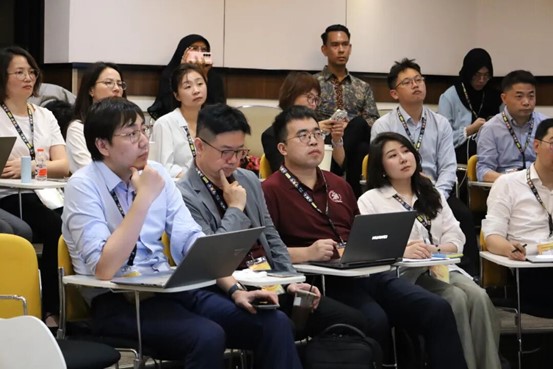
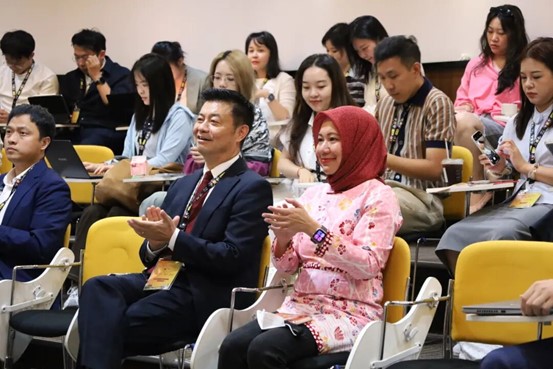
Moving between the lecture halls of Universitas Indonesia, the
bustle of Jakarta, and the boardrooms of major corporations, students gained a
close-up view of a fast-changing emerging market. Lectures on digital
transformation, the digital economy, sustainable human resource management, and
international trade were complemented by visits to four leading Indonesian
companies. A cultural excursion offered a glimpse of Indonesian life beyond
business.
For many students, the module was also a chance to see Indonesia
with fresh eyes. The country's sheer market scale and fragmented geography left
a lasting impression. Those whose picture of Southeast Asia had been shaped
largely by Singapore's financial sector and Vietnam's manufacturing boom found
a more complex reality on the ground: supply chains spanning thousands of
islands, rapidly growing digital consumption, and infrastructure still under
construction.
Led by Professor Jie Hu of SAIF, the module linked theory with
practice to give students in-depth insight into Indonesia's business ecosystem.
Four core lectures, delivered by FEB UI faculty and local experts,
explored Indonesia's industrial landscape in the context of global business
trends.
•
The Challenge of Digital
Transformation — Dr. Erwin Tenggono discussed how
companies respond to the business and organizational change brought about by
digitalization, illustrated with corporate cases from the local business
environment.
•
Indonesia's Digital Economy:
A Tale of Two Realities — Dr. Ibrahim Kholilul
Rohman contrasted the rapid growth of e-commerce, digital payments, and
internet use with a persistent digital divide, gaps in infrastructure, and
limited local digital capabilities.
•
Sustainable HRM — Professor Riani Rachmawati considered how companies are
rethinking talent, employment, and long-term development amid digitalization,
the rise of the gig economy, and skills shortages. The lecture also examined
how Indonesia's large young population creates new opportunities as well as new
organizational challenges.
• International Trade in a Fragmenting World — Professor Fithra Faisal Hastiadi drew on the latest trade data to show how shifting tariffs, industrial policy, and geopolitics are reshaping global trade and supply chains, with particular attention to ASEAN, East Asian production networks, and the “China+1” strategy.
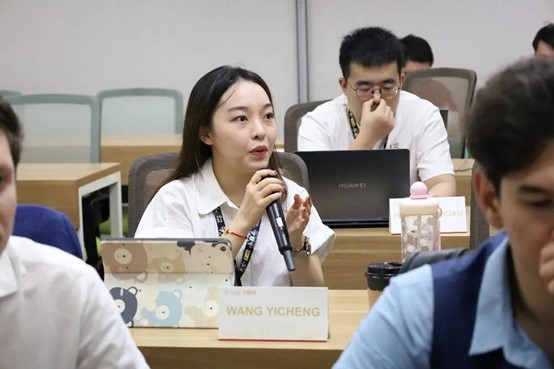
The company visits gave students a direct view of local operations
and connected classroom learning with real-world practice.
•
At Astra International, one of
Indonesia's largest diversified groups, students examined how a company extends
its supply chain and distribution channels across a vast, fragmented
archipelago.
•
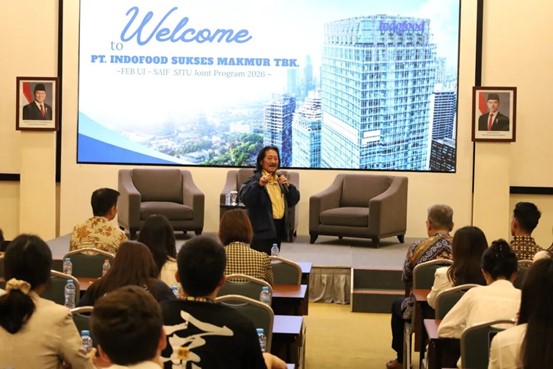
At PT Indofood Sukses Makmur
Tbk, the country's leading consumer goods group, management shared the
company's history and key operating decisions, giving students a clearer
understanding of how a homegrown company sustains long-term market leadership.
•
At PT PLN Indonesia Power,
company presentations, an on-site Q&A, and interactive sessions offered
insight into Indonesia's energy sector.
•
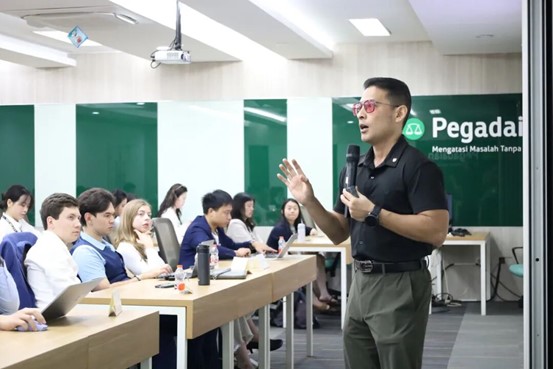
At PT Pegadaian, students
learned about the company's business and products and tried out distinctive
services such as its “gold ATM.”
Across the lectures and visits, a common theme emerged: in an unfamiliar market, the questions that matter most to a business can rarely be answered by textbooks and data alone. Understanding how supply chains reach across the archipelago, how digital infrastructure keeps pace with shifting consumer demand, and how companies balance international pressures with local needs and long-term growth comes only from experience on the ground.
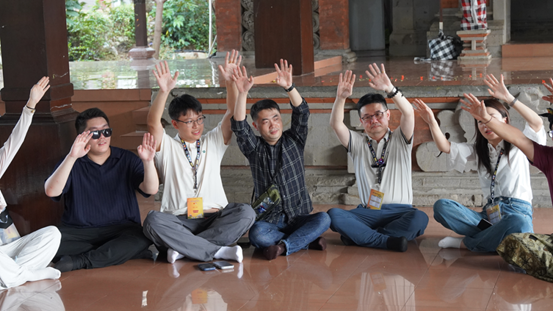
Students highlighted the value of cross-cultural learning and
practical insight.
“Universitas Indonesia's tree-lined campus, the development
challenges facing an archipelago nation, and the children's smiles are among my
most vivid memories of the trip. They reveal a side of Indonesia that no report
can fully capture,” said one MBA student.
Another student valued the level of access to the companies: “We met
the senior managers who truly understand the key operating decisions behind
these businesses. What we heard was far more direct and authentic than anything
a textbook can offer.”
The lectures resonated as well. “The professors drew on their own
work and insights in digital transformation and sustainable development,” noted
one MF student. “They helped me see a developing country's strengths and
obstacles, and the efforts under way — from planning through implementation —
in areas such as women's employment and digitalization.”
The module advances the goals of SAIF and Shanghai Jiao Tong
University on two fronts.
Enhancing International Reputation: Continued
collaboration with FEB UI, one of Indonesia's leading academic institutions,
further expands SAIF's global academic network. The partnership reflects SAIF's
commitment to high-quality international education and strengthens the standing
of Shanghai Jiao Tong University abroad.
Broadening Students' Global Perspectives: Immersion in a diverse cultural and business environment equips
students with essential cross-cultural communication skills and firsthand
insight into a fast-growing regional market, preparing them to become business
leaders who can thrive in a globalized economy.
This site uses cookies. By clicking accept or continuing to use this site, you agree to our use of cookies. For more details, please see our Privacy Policy.Accept